
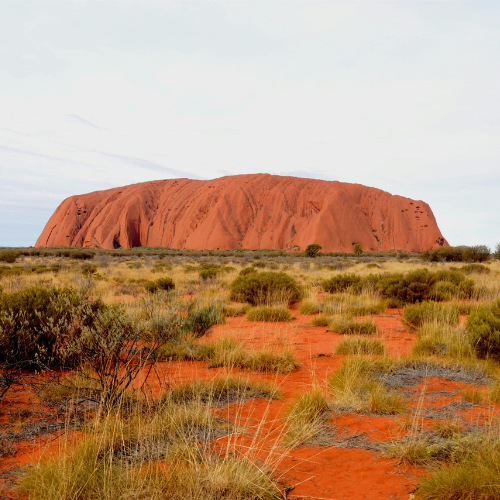
Australia is made for adventure. Endless coastlines, vast deserts, thick bushland, and rugged mountain trails are all waiting to be explored. If you’ve ever dreamt of getting off the beaten path, 4WD camping is your golden ticket.
The beauty of 4WD camping is that it opens up places most travellers will never see, remote beaches, wild outback tracks, and star‑soaked skies with no one else around for miles. But before you throw the swag in the ute and charge off, it pays to know what you’re doing.
This guide is designed for beginners, whether you’re a local chasing something new or an adventurer planning your first Aussie road trip. Let’s walk through the gear, planning, and practical tips to kickstart your 4WD camping journey.
What is 4WD Camping (and Why Try It)?
Unlike regular camping where you pull into a caravan park or established campground, 4WD camping is about going further, driving tracks where a regular 2WD just won’t cut it.
Why’s it worth it?
- Access to untouched, often empty destinations.
- Flexibility: you can stop where you like, camp where you like (within the rules, of course).
- A genuine sense of adventure and self‑reliance.
For Europeans, imagine alpine bivouacking with a twist, swap snowy peaks for red dust, gum trees, and stretches of coast that seem to run forever.
Choosing Your 4WD and Setting It Up
Not all four‑wheel drives are created equal. For camping, a few basics make life easier:
- Ground clearance — you’ll need it over sand dunes and rocky trails.
- Good tyres — all‑terrain tyres are worth their weight in gold.
- Decent fuel range — the outback isn’t dotted with service stations.
Once you’ve got the basics, simple upgrades help:
- A roof rack for extra gear.
- An awning for shade (Australia’s sun doesn’t muck around).
- A dual battery system if you’re running a fridge or electronics.
Pro tip? Don’t overdo it with expensive accessories straight away. Keep it simple until you know your style of travel.
Must-Have Gear for 4WD Camping
Part of the fun of 4WD camping is setting up your little bush home away from home. At a minimum, you’ll want:
- Sleeping setup: A swag feels the most Aussie, but rooftop tents are popular for convenience. Ground tents also work fine for beginners.
- Cooking kit: Portable stove, gas bottle, cast‑iron pan, and a cooler or fridge. Nothing tastes better than dinner cooked under the stars.
- Navigation & comms: A GPS or offline maps, UHF radio (handy for remote tracks), and if heading far out, a satellite phone.
- Recovery gear: Snatch straps, a shovel, tyre deflators and compressor, and traction boards. Even experienced drivers get bogged.
- Safety kit: First aid, plenty of water storage, a good torch or headlamp, sunscreen, and insect repellent.
Think of gear as insurance. You might not use your recovery boards every trip, but the one time you need them, you’ll be glad they’re there.
Planning Your First Trip
Planning can make or break things. Start small:
- Choose a national park or 4WD‑friendly beach with facilities nearby.
- Check access permits and park passes — many Aussie parks require them.
- Plan fuel stops before you go. Distances might seem short on a map, but Australia is bigger (and emptier) than most Europeans expect.
A good first trip could be a weekend loop through a coastal national park or a simple drive into the bush. Don’t aim for the Simpson Desert just yet!
Driving Tips for Beginners
4WD driving isn’t rocket science, but you’ll want to get the basics right.
- Learn your gears: Use low range for steep, slow, or tricky patches.
- Play with tyre pressures: Drop them on soft sand for better traction.
- Be terrain‑aware: Bush tracks, beaches, mud, and rocks each have their quirks.
- Don’t rush: Slow and steady usually beats powering through.
One of the biggest mistakes newbies make is overconfidence. Take it easy, go with others if you can, and build your skills on easy tracks first.
Safety and Sustainability
Camping in the Aussie outdoors is magical, but it comes with responsibility.
- Leave No Trace: Pack out everything you bring in. Don’t carve up dunes or drive off existing tracks.
- Respect wildlife: Kangaroos are fun at a distance but less so on the bonnet. Dingoes and goannas will happily raid your food if left out.
- Fire safety: Only light fires in designated zones and always check fire bans.
- Cultural respect: Many 4WD trails and camping spots are on Indigenous land. Learn the significance, follow rules, and show respect.
Travelling lightly ensures the next crew can enjoy the same wild places.
Best Beginner-Friendly 4WD Camping Spots in Australia
If you’re just starting out, look to these popular yet beginner‑friendly destinations:
- Fraser Island (K’gari), QLD — iconic sand driving, crystal‑clear lakes.
- Coffin Bay, SA — rugged coastline with stunning camps.
- Stockton Beach, NSW — big dunes and beachside camping (permit required).
- Kalbarri, WA — gorges, wildflowers, and gorgeous coastal cliffs.
Each offers a taste of adventure without throwing you in the deep end.
Final Tips Before You Go
Before rolling out, run a quick checklist:
- Test‑drive your gear in the driveway first.
- Pack for the worst, hope for the best.
- Start small with a weekend trip, then build up to longer expeditions.
- If you’re new to Australia, consider tagging along with a guided adventure service (that’s where Bivouac ADV shines, we’ll make sure you experience the wild side of Australia safely).
4WD camping in Australia blends the thrill of exploration with the simple joys of campfires, sunsets, and sleeping under the stars. Beginners often worry it’s too hard, but with a bit of preparation, the right gear, and a spirit for adventure, you’ll wonder why you didn’t start sooner.
So whether you’re an Aussie looking to explore your own backyard or a European itching for an outback adventure, now’s the time. Pack smart, drive safe, and let Bivouac ADV help you make the most of it.
Adventure doesn’t wait, why should you?